
"Ethiopian Sidamo"
800 article(s) found

Ethiopian Sidamo Coffee Flavor description Taste Variety characteristics Fine Coffee treated with Grinding degree
Ethiopian Coffee Flavor description treatment introduces the Lion King from the Guji producing area of Sidamo, Ethiopia, is an ancient native high-quality variety: Heirloom, washing treatment, medium roasting. Different from the bitterness of the regular American coffee or latte, this series of coffee will have a fresh flower aroma, natural sweet and sour berries, worthy of careful taste. 1. When picking beans

Description and treatment of taste and flavor of Ethiopian Sidamo Coffee
Dry aromas of Sidamo coffee beans: berries, tropical fruits, fermented wine, dates, tea, milk chocolate. Wet aroma: medium sweet and sour aromas of sun berries, citrus, slightly fermented fruit, fruit wine. Palate: comfortable and interesting sour fruit, good sweetness and low thickness. Recommended production methods: hand punching, legal pressing, Ailo pressure. Hand grinding: 3.5 degrees, water temperature

Introduction of Ethiopian Sidamo coffee beans with strong stickiness and weak fruit acid
Sidamo Manor Coffee, a variety of Sidamo from Ethiopia's Heirloom and Sidamo Manor Coffee from Cabey Manor, gives us more confidence and hope on the road of promoting manor coffee. Placed on us to promote the manor coffee on the road of greater confidence and hope. This kind of viscosity is strong, the fruit acid is weak, and the fruit aroma has chocolate flavor, so that consumers can drink it.

Introduction to the characteristics of High-quality Coffee produced by the Grinding degree treatment method of Ethiopian Coffee Manor
Grade of Ethiopian coffee: Ethiopian washed coffee Yega Chuefei G1 G2 Sidamo (Yirgacheffe, Sidamo) has the highest grades 2 and 3 (G2, G3), while sun-processed coffee in eastern Ethiopia is mostly grade 4 or 5 (G4, G5). In many cases, level 4 coffee is marked as level 5 in order to reduce taxes. At present, the classification is not uniform and there are
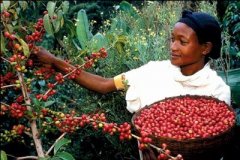
Ethiopian Coffee Sidamo Sidamo Guji Shakiso Shakisso Manor Day
The coffee flavor of Sidamo is very diverse, because of the different soil composition, regional microclimate and countless native coffee varieties, the coffee produced in each urban area has obvious differences and characteristics. Sidamo producing area (Sidama) is located in the south of Ethiopia. The industry here is mainly agricultural, and the coffee growing area is located around the Great Rift Valley (Great Rift Valley) of East Africa.
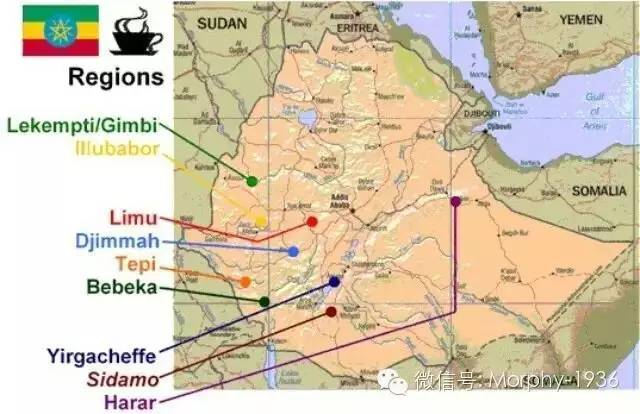
Introduction of boutique coffee beans Ethiopian coffee
Ethiopia is the hometown of Arabica coffee, and it is in the forests of Kaffa that you can see wild Arabica coffee. In Ethiopian, coffee is called Bun or Buna, and coffee beans (coffeebean) may be translated from Kaffa Bun. Arabica coffee was discovered early in the Harald area, probably from Kafa.

Flowers and honey sweet Ethiopian coffee Ethiopian flavor sidamo products
At present, there are many native forests of coffee in Ethiopia, which can be said to be a gene pool of coffee, and this gene pool will be the solution to many coffee problems. Ethiopian coffee beans are of high quality and have a wide variety of flavors, and few countries are second to none. As for the treatment of raw beans, some places are insolated, some are washed, and both are used.

The grade flavor of Ethiopian coffee
Essel coffee is processed by two processing methods: sun and water washing. The flavor of coffee processed by different processing methods is very different. Generally speaking, the alcohol thickness and soil taste of washed Sidamo, Yirgacheffe and Limmu coffee are slightly lower, and the taste of sun-processed coffee is more wild. But Ethiopian coffee may taste different from batch to batch, which requires more cup tests before it can be found.

Coffee Flavor description of Ethiopian Coffee Manor Coffee Flavor description of roasting degree Price planting Environment
Ethiopian coffee beans grow in close to the natural environment, after years of planting under the same growth conditions, Ethiopian coffee beans have gradually adapted to the environment here. More than 60% of coffee beans are grown in forests or semi-forests. Large-scale coffee-growing villages account for about 35% of the country's total coffee production. Many of these are used.

Eight major producing areas of Ethiopia introduce how to drink Ethiopian Lim Limu coffee?
Professional coffee knowledge exchange more coffee bean information please follow the coffee workshop (Wechat official account cafe_style) Ethiopian coffee is mainly produced in eight major areas: Lekempti, Limu, Illubabor, Djimmah, Harar, Teppi/Bebeka, Sidamo, Yirgacheffe. Ethiopian coffee is highly rated in China, especially for Ethiopian coffee.

Sweet and spicy Ethiopian sidamo coffee flavor taste estate production area Xiachisuo production area introduction
Sitama coffee beans are slightly gray, some places are coarse and some places are fine, the acidity is soft and strong, the alcohol is appropriate, and the sweet and spicy aroma is one of the courtyard coffees in the southern highlands of Ethiopia. It differs from African coffee in that Sidamo has a clear acidity, a smooth taste and a delicate floral aroma. Sidamo is Ethiopia's famous boutique coffee

Where does Ethiopian coffee come from in Sidamo, Ethiopia? Ethiopia
According to the above four different modes of production, Ethiopian coffee can be divided into nine major coffee producing areas, including five boutique coffee areas: Sidamo, Yegashefi, Harald, Lim and Lekampu. and four general commercial bean producing areas: Gemma, Irugbo, Tibby and Bekaa. The sun or water washing methods are used in each district, and different treatment methods also affect the flavor.

Brewing skills of Ethiopian Sidamo Red Cherry Coffee beans hand-brewed Coffee extraction Teaching
Professional coffee knowledge exchange more coffee bean information please follow the coffee workshop (Wechat official account cafe_style) Ethiopian coffee. White cherry EthiopiaSidamoChireBalo Sidamo producing area, 2 km above sea level. It has the aroma of lemon, apricot and matcha.

Introduction to the method of flavor description of Ethiopian Ethiopian Sidamo Lion King Coffee Bean
Ethiopian Ethiopian Sidamo Lion King Coffee Bean Flavor description Variety introduction Kochere is a small production area located about 25 kilometers southeast of Yegashifi. The coffee beans harvested come from local coffee farmers and are composed of a large number of small coffee farmers. The average cultivation area of these small farmers is about 1 hectare and the planting altitude is high.

The grade of Ethiopian coffee
The highest grades of Ethiopian washed coffee Yega Chuefei G1 G2 Sidamo (Yirgacheffe, Sidamo) are Grade 2 and Grade 3 (G2, G3), while most of the sun-processed coffee in eastern Ethiopia are Grade 4 or Grade 5 (G4, G5). In many cases, level 4 coffee is marked as level 5 in order to reduce taxes. At present, the grading is not uniform and messy, because there is also sun processing.

Smooth taste of Ethiopian Sidamo Chiso Coffee Flavor characteristics of Fine Coffee
In February 1977, Lieutenant Colonel Mengistu Haier Maryam (MENGISTU HAILE MARIAM) launched a military coup and served as Chairman of the interim military Administrative Council and head of State. In 1979, the Ethiopian Labor people's Party Organization Committee, dominated by soldiers, was established to implement an one-party system. In 1984, the Ethiopian Workers' Party was formed according to the Soviet Communist Party model. Mengistu, September 1987

Ethiopia Gemma jimma (djimmah Gima)
Ethiopia (Ethiopia) famous coffee:: Yirgacheffe (Yirgacheffe), Harald (Harrar), Sidamo sidamo; and Djimmah (Djimmah) are also good, taste balanced, is an affordable African mocha beans. Forest coffee, which grows in the natural environment and shaded by natural forest trees, has sufficient plant change mechanism to resist diseases and insect pests.

Ethiopian Sunlight Sidamo Coffee Beans Ethiopian Raw Coffee Beans
The birthplace of coffee-Ethiopia. The coffee tree originated in Ethiopia, where it was originally a wild plant, and the name coffee comes from the Ethiopian town of Kaffa. In fact, many coffee trees in Ethiopia are still wild plants, and the coffee grown on this coffee tree is full of particles and slightly fragrant. Humans may have been as early as the 9th century
Yega Xuefei G1 | Flavor of Ethiopian Sidamo region _ Yega Coffee Bean Classification
Although the Ethiopian Yirgacheffe coffee is petite, it is gentle and delicate and sweet. As the hometown of coffee, thousands of years of planting history and processing tradition in Ethiopia have created high-quality washed Arabica beans. Light baking has unique lemon, floral and honey flavors.

A brief introduction to the flavor and taste characteristics of Ethiopian coffee manor with rich alcohol thickness
In the West, Ethiopian coffee is generally sold on the market as Yega Feixidamo and Harald (Yirgacheffee, Sidamo and Harrar). The highest grades of Ethiopian washed coffee Yega Chuefei G1 G2 Sidamo (Yirgacheffe, Sidamo) are Grade 2 and Grade 3 (G2, G3), while most of the sun-processed coffee in eastern Ethiopia are Grade 4 or Grade 5 (G4, G5).